

 Call Us Now
 Email Us Now



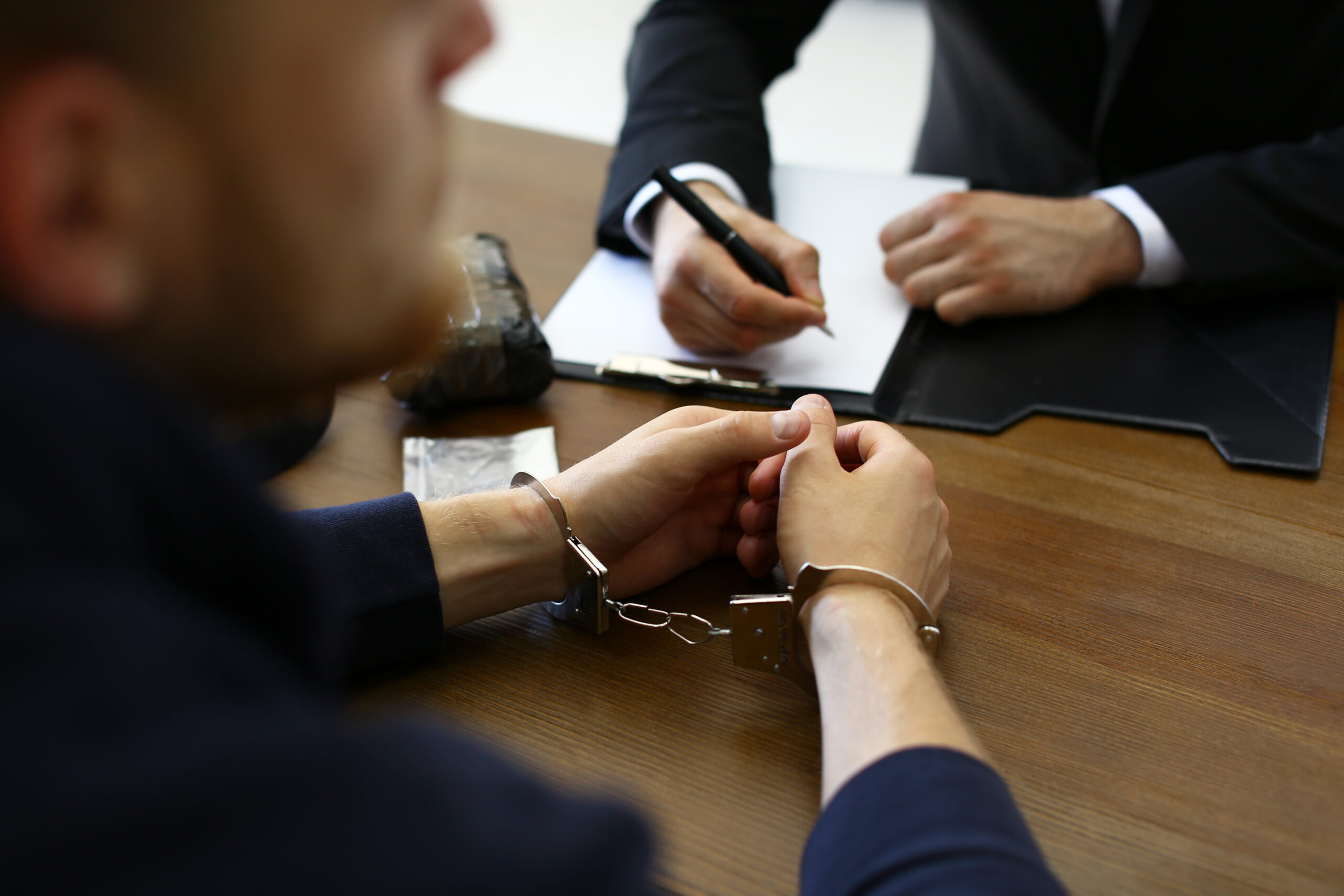
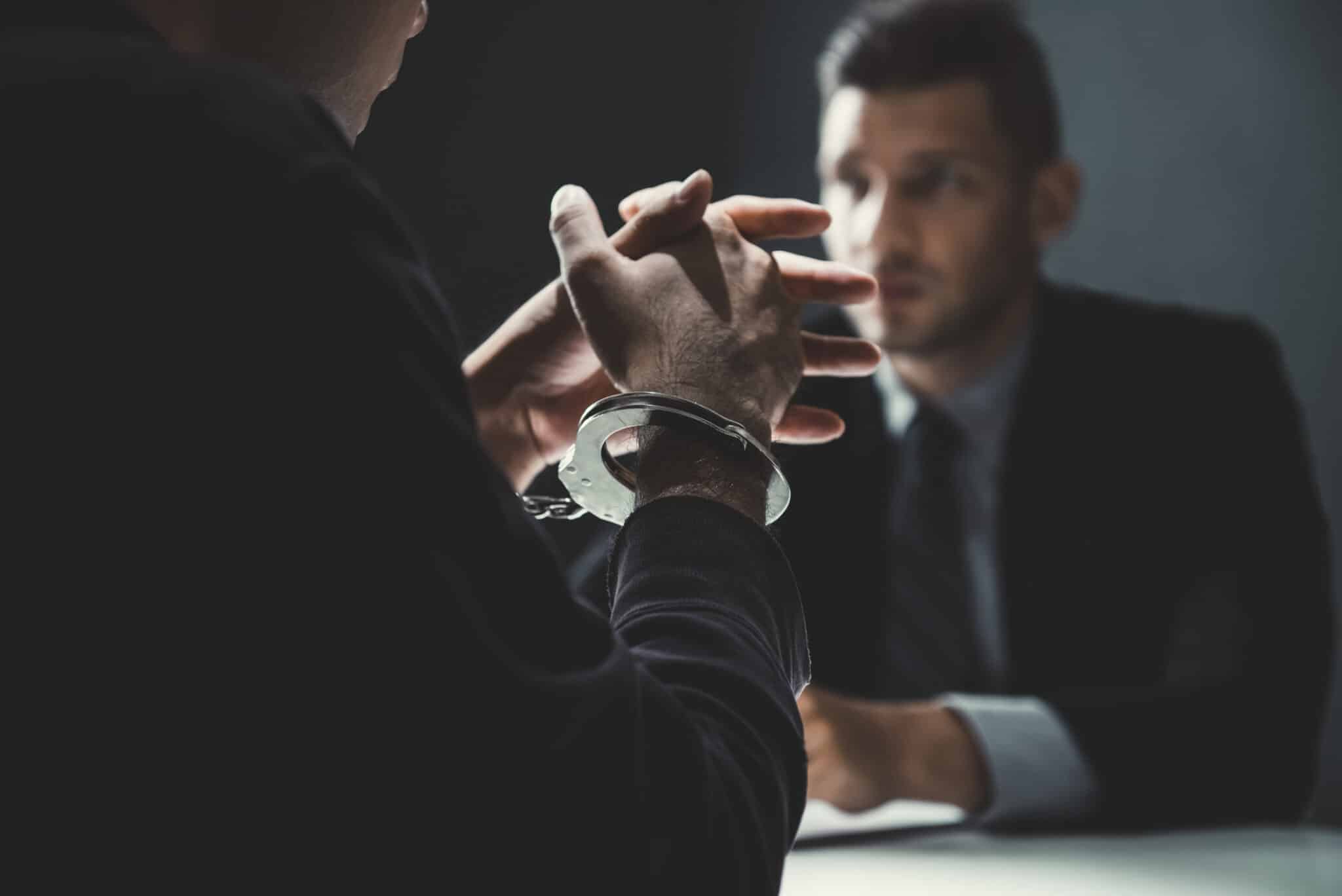
An arrest can feel like an abrupt, life-altering event. If you or a loved one faces criminal charges in Lakeland, FL, or anywhere in Polk County, understanding your immediate legal future is crucial. One of the first and most critical steps in the Florida criminal justice process is the bond hearing, often referred to as a First Appearance (Fla. R. Crim. P. 3.130). This hearing determines if you remain in custody or are released while your case is pending.
The Purpose of a Bond Hearing in Florida
The bond hearing serves two primary, legally mandated purposes in Florida. The court must balance the need to ensure your presence at all future court proceedings and the need to protect the community from unreasonable danger. The Florida Constitution guarantees that every person charged with a crime, except for those accused of a capital offense or an offense punishable by life imprisonment where the proof of guilt is evident or the presumption great, is entitled to pretrial release on reasonable conditions (Art. I, § 14, Fla. Const.).
For a person arrested in Polk County, this hearing must occur within 24 hours of arrest. During this First Appearance, the judge will:
- Inform you of the charges against you.
- Advise you of your right to remain silent and your right to have an attorney present.
- Determine if there is probable cause for the arrest.
- Set the conditions for your pretrial release, which typically includes setting the bail amount, or bond.
Who Sets the Bond and What Factors Matter to the Judge?
In Florida, only a judge has the authority to set, reduce, or alter a defendant’s bail (Fla. Stat. § 903.046). While a county, like Polk County, may have a standard bond schedule that provides a guideline amount for common offenses, a judge has complete discretion to increase or decrease that amount based on the specific facts of your case.
When determining the amount of the bond and any conditions of release, the judge must consider a series of factors outlined in Florida Statute § 903.046. The court must consider any information relevant to the pretrial release decision, which includes:
- The nature and circumstances of the offense charged and the penalty provided by law.
- The weight of the evidence against you.
- Your family ties, length of residence in the community, employment history, and financial resources. Demonstrating strong community ties, such as living in Lakeland for many years and holding a steady job, works in your favor, as it shows you are less likely to flee.
- Your mental condition.
- Your past criminal history, including any history of failure to appear at court proceedings.
- The probability of danger you may pose to the community or any specific person.
Understanding how judges evaluate these factors is critical to preparing a strong presentation at your bond hearing. An attorney who knows what evidence to highlight and how to frame it persuasively can make a meaningful difference in securing your release and protecting your future.
Understanding the Different Types of Pretrial Release
The judge determines your method of release. In Florida, there are three common types of bond or release you might encounter.
Cash Bond
A cash bond requires you or someone acting on your behalf to deposit the full amount of the bail directly with the Clerk of the Court in Polk County. If you attend all your required court appearances, this money is returned to the person who posted it at the end of the case, minus a small administrative fee. If you fail to appear, the money is forfeited to the court.
Surety Bond
A surety bond is the most common form of release when the bond amount is high. Instead of paying the full amount to the court, you pay a non-refundable premium (typically 10% of the full bail amount for state charges in Florida) to a licensed bail bonds agent. The bondsman then guarantees the full amount to the court. You will not get the premium back, even if your case is dismissed. This is often the quickest route to release when cash is not readily available.
Release on Your Own Recognizance (ROR)
This is the most favorable outcome. A judge grants an ROR based solely on your written promise, or “recognizance,” to appear at all court dates. You do not have to pay any money for your release. This option is typically reserved for individuals accused of minor offenses, those with strong community ties, and those with minimal to no prior criminal history.
Your Freedom is My Priority
After an arrest, the priority is being released quickly so you can continue working, support your family, and actively participate in your defense. DeMichael Law works aggressively to secure pretrial release and pursue outcomes that protect your rights, including firearm rights, voting rights, and your future job and housing opportunities by avoiding a felony conviction whenever possible. As a solo woman attorney, I provide personal, one-on-one attention, clear communication, and guidance at every step. If you or someone you love has been arrested in Polk County, I’m here to help you navigate a Florida bond hearing and the legal process with confidence.
Contact DeMichael Law Today
If you are facing a bond hearing, contact DeMichael Law immediately. I can step in at this critical early stage to argue for the lowest bond or a Release on Recognizance, protecting your freedom from day one. Contact DeMichael Law at 863-216-1831 to receive a thoughtful and personalized review of your situation.